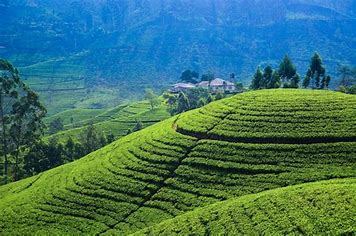
Harvesting tea transforms the chemical and physical properties of tea leaves. When harvested, the tea leaves are plucked by hand or machine, and then undergo various processes such as withering, rolling, oxidation, and drying. As the leaves undergo these processes, they change in color, texture, and aroma. The level of oxidation determines the type of tea produced, whether it's green tea, black tea, oolong tea, or white tea.
Tea can be harvested manually by hand plucking or mechanically with specialized equipment. The harvested leaves are then processed either by traditional methods or modern machinery depending on the desired type and quality of tea.
The vast majority of tea is harvested commercially on large plantations, but small-scale commercial harvesting has grown significantly with the trend toward "single-origin" teas served at specialty shops. Some tea enthusiasts even harvest tea leaves at home as a hobby in order to experiment with different varieties and ensure themselves of the freshest possible tea.